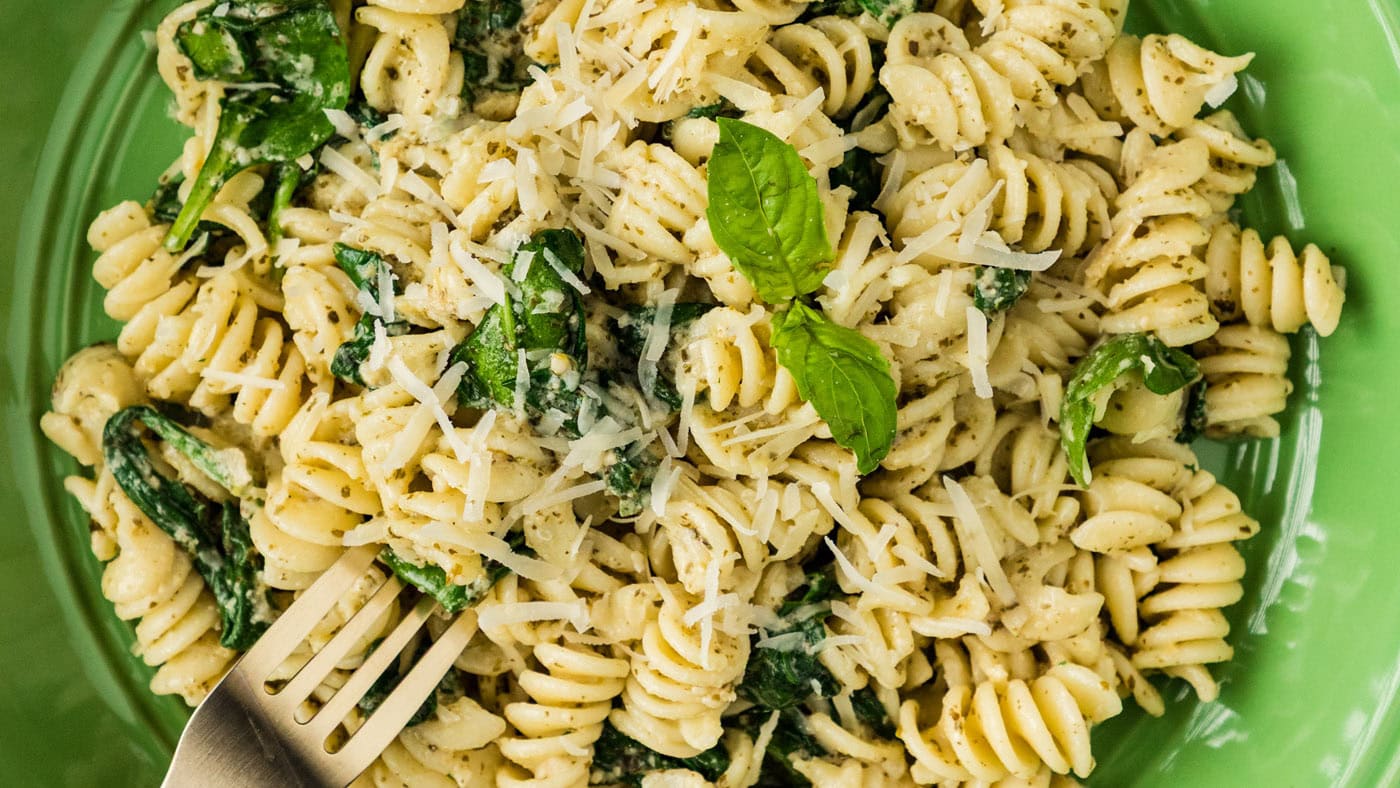
Mastering Homemade Pesto Pasta: Essential Tips for the Perfect Bowl
There are few dishes as universally beloved, effortlessly elegant, and incredibly satisfying as a perfectly executed bowl of pesto pasta. It’s a culinary marvel that promises vibrant flavors and a comforting richness, all while demanding surprisingly little from the home chef. Imagine a dish so fresh, so aromatic, and so utterly delicious that it feels like a gourmet experience, yet comes together in a mere 30 minutes. This isn't a fantasy; it's the reality of homemade pesto pasta, and with a few essential tips, you too can master this weeknight warrior and transform simple ingredients into an unforgettable meal.
Whether you're looking for a quick, family-friendly dinner or a way to impress guests without breaking a sweat, mastering the art of creamy pesto pasta is a skill worth cultivating. It's a naturally vegetarian delight, bursting with the essence of fresh basil, nutty cheese, and the unmistakable aroma of garlic. But beyond its simplicity lies a subtle alchemy of technique and ingredient choice that elevates a good bowl to a truly perfect one. Let's delve into the secrets that make this dish a constant repeat offender in kitchens worldwide.
The Heart of the Dish: Crafting the Perfect Homemade Pesto
While store-bought pesto can certainly be a convenient shortcut, the true magic of exceptional pesto pasta begins with homemade pesto. There’s an undeniable vibrancy and depth of flavor that comes from blending your own ingredients, and the process itself is incredibly rewarding. A classic Genovese pesto typically involves fresh basil leaves, pine nuts, garlic, Parmesan cheese (Parmigiano Reggiano), Pecorino Romano cheese, and extra virgin olive oil. Each component plays a crucial role:
- Fresh Basil: This is the soul of your pesto. Use bright green, unwilted leaves for the best flavor, avoiding any dark spots which can indicate oxidation.
- Pine Nuts: Toasting them lightly in a dry skillet before blending can significantly enhance their nutty aroma and add another layer of complexity to the pesto.
- Garlic: Adjust to your preference. A small clove provides a subtle kick, while more can make it bolder. For a milder flavor, you can blanch the garlic briefly before using.
- Cheese: Here’s where a crucial decision can make a significant difference. While Parmigiano Reggiano offers a nutty, umami depth, many chefs swear by Pecorino Romano. This sheep's milk cheese provides a sharper, saltier, and more assertive flavor profile that truly makes the pesto cream sauce stand out. For the ultimate balance, some recipes call for a blend of both, allowing the best characteristics of each to shine.
- Extra Virgin Olive Oil: Use a good quality, fruity olive oil. It binds the ingredients, contributes to the overall richness, and provides a silky mouthfeel.
Making pesto is incredibly straightforward. A food processor makes quick work of it, transforming these simple components into a verdant, aromatic sauce in minutes. The key is to pulse, not continuously blend, to avoid over-processing the basil (which can oxidize and turn it dark) and to maintain some texture. While homemade is preferred, if time is truly of the essence, a high-quality store-bought pesto can be used. Just remember that it might be more concentrated, so start with about 1/3 cup and add more to taste.
Achieving Silky Smoothness: The Creamy Pesto Pasta Secret
The allure of creamy pesto pasta lies in its velvety sauce that lovingly clings to every strand or piece of pasta. This luxurious texture isn't achieved by simply pouring pesto over cooked noodles. The secret weapon, as many Italian nonnas will attest, is the starchy pasta cooking water. This humble liquid, often discarded without a second thought, is gold for sauce-making.
The Magic of Pasta Water
As pasta cooks, it releases starch into the boiling water. This starchy, salty water acts as a natural emulsifier, helping the oil-based pesto combine seamlessly with the pasta and any added cream or cheese. When you add a ladleful of this liquid to your pasta and pesto, it creates a light, silky emulsion that transforms the sauce from clumpy to cohesive. It’s the difference between merely coating the pasta and truly integrating the sauce into every bite.
Pro Tip: Always reserve at least a cup of pasta water before draining your noodles. You might not use it all, but it’s invaluable for adjusting the consistency of your sauce. If your pesto pasta seems too thick or dry, a splash or two of pasta water will loosen it up beautifully, making it glossy and rich. This technique is fundamental to many Italian pasta dishes, not just pesto.
Beyond the pasta water, some creamy pesto pasta recipes introduce a touch of actual cream or even a knob of butter to amplify the luxuriousness. A light touch of heavy cream can create an even richer, more comforting texture without overpowering the fresh basil flavor. The key is balance – you want the creaminess to enhance, not mask, the vibrant pesto. Remember to always toss your pasta and pesto off the heat to preserve the fresh, bright notes of the basil and prevent the cheese from becoming oily or clumpy. This gentle handling ensures the pesto retains its fresh character.
For more detailed insights on whipping up this quick and flavorful dish, check out our guide on Easy Creamy Pesto Pasta: Your Flavorful 30-Minute Weeknight Meal.
Beyond the Basics: Customizing Your Pesto Pasta
One of the many charms of pesto pasta is its incredible versatility. While it stands gloriously on its own as a vegetarian meal, it also serves as a fantastic canvas for additional ingredients, allowing you to tailor it to your preferences or whatever you have on hand. This makes it a true family-friendly dish, adaptable to various tastes and dietary needs.
- Protein Power-Ups:
- Grilled Chicken: Sliced grilled chicken breast adds lean protein and a smoky char that complements the fresh pesto.
- Shrimp: Sautéed or grilled shrimp offers a delicate, sweet counterpoint, especially delicious with a squeeze of lemon and a sprinkle of red pepper flakes.
- Tofu or Tempeh: For a plant-based protein boost, try pan-fried or baked seasoned tofu or tempeh cubes.
- Vegetable Variations: Incorporating vegetables not only adds nutrients and color but also introduces new textures and flavors.
- Roasted Vegetables: Cherry tomatoes, asparagus, bell peppers, or zucchini, roasted until tender and slightly caramelized, are phenomenal additions. Their sweetness contrasts beautifully with the savory pesto.
- Fresh Greens: Wilt in a handful of fresh spinach or arugula at the very end for an extra nutritional punch and a peppery bite.
- Blanched Veggies: Green beans, broccoli florets, or peas can be blanched alongside the pasta for minimal extra effort.
- Herb and Nut Alternatives for Pesto: Don't limit yourself to basil and pine nuts!
- Arugula Pesto: Offers a peppery, slightly bitter edge, often paired with walnuts.
- Sun-Dried Tomato Pesto (Pesto Rosso): A vibrant red pesto with a sweeter, tangier profile, typically made with sun-dried tomatoes, roasted red peppers, almonds, and Parmesan.
- Walnut Pesto: Walnuts can be a more affordable and equally delicious alternative to pine nuts, lending a deeper, earthy flavor.
- Mixed Herb Pesto: Combine basil with parsley, mint, or even a touch of cilantro for a unique twist, perhaps even adding some zest for brightness.
The beauty of this customizability lies in its endless possibilities, ensuring that your pesto pasta never gets boring. It’s perfect for using up leftover ingredients and experimenting with new flavor combinations. Dive deeper into making this adaptable meal a staple with insights from Creamy Pesto Pasta: Easy Recipe & Customizable Family Favorites.
Choosing Your Canvas: The Right Pasta Shape for Pesto
While almost any pasta shape can be tossed with pesto, some are inherently better suited to capturing and delivering the vibrant sauce to your palate. The ideal pasta shape acts as a perfect vehicle, allowing the pesto to cling effectively and ensure every bite is bursting with flavor and texture.
- Long Pasta Shapes:
- Spaghetti, Linguine, Bucatini: These classic long strands are excellent choices. The pesto beautifully coats the delicate strands, making for a satisfying slurp. Bucatini, with its hollow center, is particularly good at trapping bits of sauce within.
- Fettuccine or Tagliatelle: Broader, flatter ribbons offer more surface area, allowing a rich pesto sauce to adhere wonderfully, providing a luxurious mouthfeel.
- Short Pasta Shapes:
- Rigatoni, Penne, Ziti: These tubular shapes are fantastic for holding chunky pesto and cream sauces within their hollows and ridged exteriors. Ziti, mentioned in the reference context, is a great example of a sturdy short pasta that works well.
- Fusilli or Gemelli: The twists and curls of these shapes create numerous nooks and crannies for the pesto to nestle into, ensuring a flavorful bite every time.
- Trofie: This twisted, short pasta is actually the traditional choice for pesto in Liguria, Italy, its region of origin. Its unique spiral shape is perfectly designed to scoop up the luscious green sauce.
When selecting your pasta, consider the texture you prefer. Long pasta offers a more elegant twirl, while short, sturdier shapes provide a satisfying chew. Regardless of your choice, always cook your pasta in a large pot of generously salted boiling water until it’s perfectly al dente – tender with a slight bite. Overcooked pasta will become mushy and won't hold the sauce as effectively.
Essential Tips for Pesto Pasta Perfection
Even with the best ingredients, a few simple techniques can elevate your pesto pasta from good to extraordinary. These are the finishing touches that tie everything together and ensure a truly memorable dish.
- Season Your Pasta Water: This cannot be stressed enough. The pasta water should taste like the sea. Salting the water generously seasons the pasta from the inside out, providing a foundational flavor that carries through to the finished dish.
- Don't Rinse the Pasta: After draining (and reserving that precious pasta water!), never rinse your cooked pasta. Rinsing removes the essential starch that helps the pesto cling and emulsify, making for a less satisfying sauce.
- Toss Off the Heat: As mentioned, combining the pesto and pasta off the stove is crucial. High heat can damage the delicate fresh basil flavor, causing it to dull, and can make the olive oil in the pesto separate, leading to an oily rather than creamy sauce.
- Season to Taste: Once the pasta and pesto are combined, taste it! A squeeze of fresh lemon juice can brighten the flavors, cutting through the richness. A final grind of black pepper and perhaps a touch more salt or freshly grated Parmesan can make all the difference.
- Garnish Generously: A sprinkle of fresh basil leaves, a dusting of freshly grated Parmesan or Pecorino Romano, and perhaps a drizzle of good quality extra virgin olive oil add visual appeal and a final burst of fresh flavor.
Conclusion
Mastering homemade pesto pasta is a journey into simple ingredients delivering extraordinary flavor. It’s a testament to the power of fresh basil, quality cheese, and a few clever techniques, all culminating in a dish that can be on your table in 30 minutes. From crafting your own vibrant pesto to utilizing the magic of starchy pasta water and knowing when to customize, each step contributes to a meal that feels both effortless and incredibly rewarding. So go ahead, gather your ingredients, follow these tips, and prepare to enjoy a truly perfect bowl of homemade pesto pasta – a dish you'll undoubtedly want to make on repeat.
